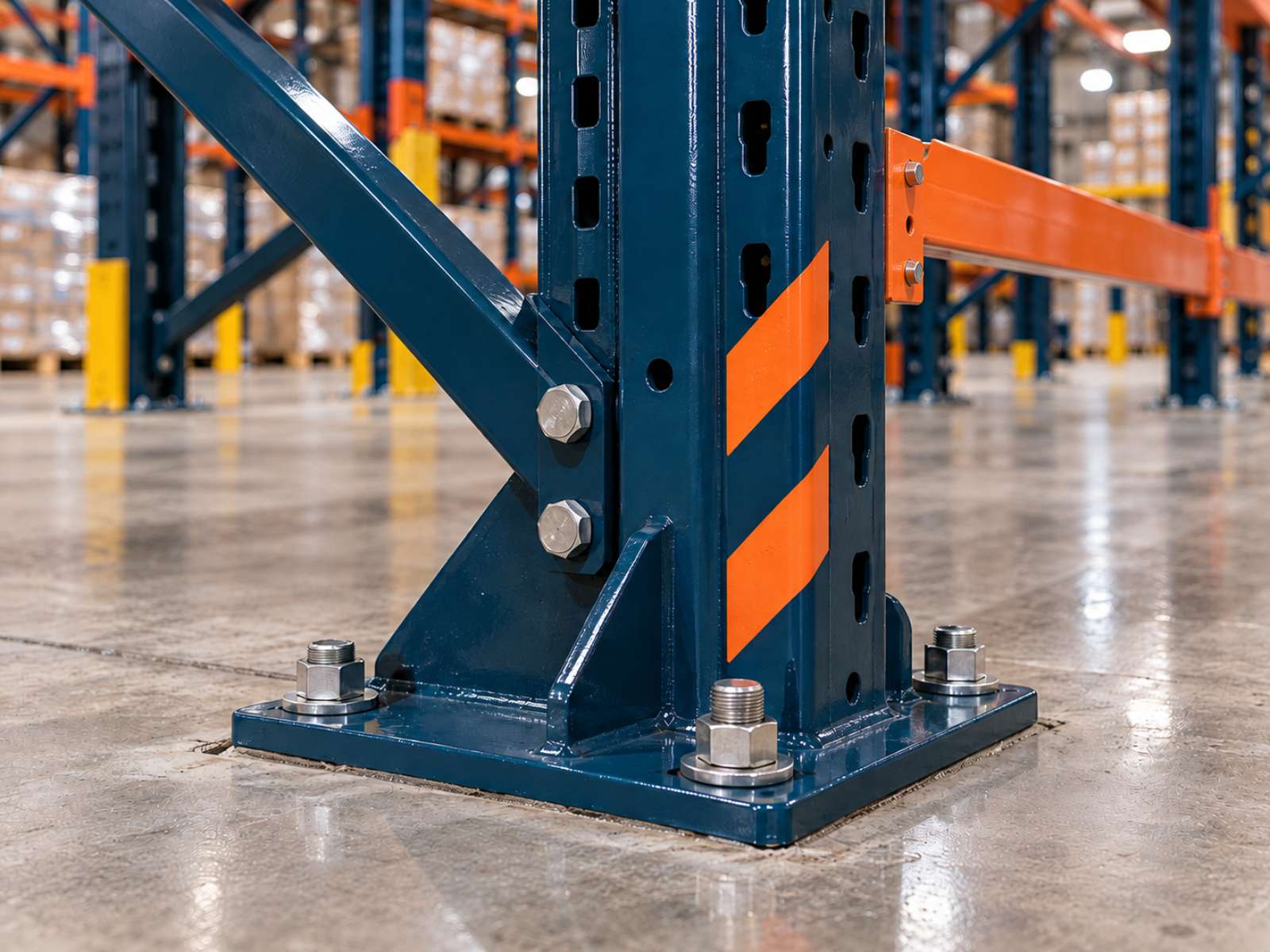
Seismic-resistant racking is warehouse storage engineered with reinforced anchoring, lateral bracing, and structural load calculations that account for horizontal and vertical earthquake forces, not just static vertical loads. Pakistan spans multiple seismic zones — northern regions carry higher risk, but Karachi and Sindh are not risk-free. Racking designed only for static loads can buckle, sway, or collapse during seismic activity, making earthquake-aware structural design a safety requirement, not an optional upgrade.
Pakistan’s Seismic Reality and Why It Matters for Warehouse Design
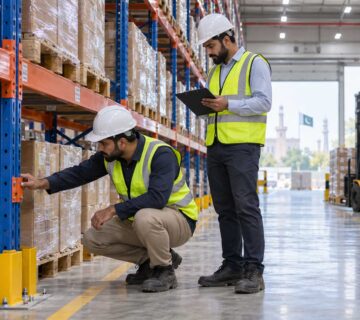
Pakistan sits across several seismic zones defined in the Pakistan Building Code, ranging from lower-risk coastal areas to high-risk zones in the north and northwest. While Karachi falls into a comparatively moderate zone, the city and Sindh province are not immune to seismic activity — and warehouses storing tonnes of steel-racked inventory carry a different risk profile than a typical building. A racking collapse doesn’t just damage stock; it endangers staff working beneath and around loaded racks every day.
Most warehouse racking sold in Pakistan is engineered for static vertical loads — how much weight a beam or frame can bear when standing still. Seismic-resistant design goes further: it accounts for lateral (side-to-side) and dynamic forces that occur when the ground itself moves, which is a fundamentally different structural problem.
How Racking Fails Without Seismic-Aware Design
- Frame sway: unbraced uprights flex laterally, loosening beam connections and dropping pallets
- Anchor failure: base plates and floor anchors not rated for lateral pull-out force can shear or lift
- Progressive collapse: one failed bay can pull down adjacent connected bays in a chain reaction
- Beam disconnection: standard beam-to-frame locking clips can dislodge under horizontal shock loads
Core Elements of Seismic-Resistant Racking Design
- Lateral bracing: diagonal cross-bracing between frames to resist side-to-side movement
- Reinforced base plates: wider footprint and higher-grade anchor bolts rated for combined vertical and lateral load
- Positive beam locking: beam-to-column connections engineered to resist upward and lateral dislodgement, not just downward load
- Floor slab assessment: anchor performance depends on slab thickness and concrete grade — this should be verified on-site, not assumed
- Load height and centre-of-gravity planning: heavier loads positioned lower reduce overturning risk
What This Means for Warehouse Owners in Pakistan
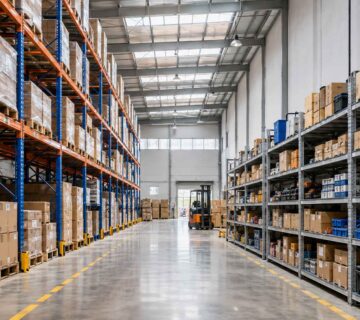
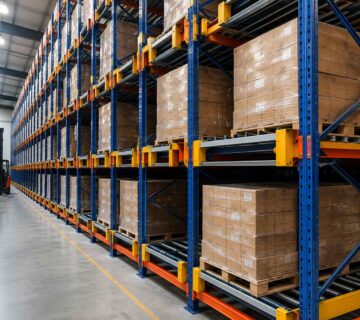
Seismic-aware racking design isn’t only relevant to facilities in the north. Any warehouse storing high-value inventory, operating multi-tier high-bay racking, or located near fault-adjacent zones should treat structural bracing and anchoring as a core specification — not an add-on requested after installation. This is particularly relevant for cold storage, pharmaceutical, and high-rack automated facilities where the racking itself often exceeds 8-10 metres in height, amplifying lateral sway risk.
Retrofitting Existing Racking for Better Seismic Performance
Facilities with existing racking installed without seismic consideration don’t necessarily need full replacement. A structural assessment can identify where lateral bracing, upgraded anchor bolts, or beam locking retrofits would meaningfully reduce risk — often at a fraction of full system replacement cost. This is best combined with a routine racking inspection programme so structural weaknesses are caught before they become failure points.
Working With a Locally Engineered Racking Partner
Imported racking systems are often engineered to seismic codes from the country of origin, which may not reflect Pakistan’s Building Code requirements or local floor slab conditions. Khambatis engineers and fabricates racking systems in Pakistan, allowing bracing, anchoring, and load specifications to be matched to the actual site conditions and regional seismic classification of each installation.
Frequently Asked Questions
Is Karachi located in a seismic zone?
Yes, Karachi falls within a defined seismic zone under the Pakistan Building Code, and while its risk classification is lower than northern Pakistan, it is not seismically inactive, so structural precautions in warehouse design remain important.
Can warehouse racking collapse during an earthquake?
Yes — racking engineered only for static vertical loads can buckle, sway, or collapse under the lateral and dynamic forces produced by seismic activity, especially in tall, multi-tier systems.
What is seismic bracing in racking systems?
Seismic bracing refers to diagonal cross-bracing and reinforced anchoring added to a racking structure to resist horizontal and dynamic forces, in addition to the vertical loads racking is normally designed for.
Does Pakistan have building codes for warehouse racking?
The Pakistan Building Code defines seismic zones and general structural requirements; racking-specific structural design should be engineered in line with these zone classifications and site-specific floor conditions.
Is seismic-resistant racking more expensive?
Seismic-aware design typically adds a moderate cost for reinforced anchoring and bracing components, which is generally low relative to the cost of inventory loss, downtime, or safety incidents from a structural failure.